Marketing, sales, administration, media, IT, education or operations professionals who want to add design capability, move toward creative roles or communicate more effectively in their current work.
Build practical creative and technical skills with Skillonit’s Graphic Design Course in Chiplun. The program is designed for students, graduates, freshers, working professionals, entrepreneurs, marketers, content creators and career switchers who want to learn visual communication, design principles and professional software through guided projects. The learning path covers color, typography, composition, Adobe Photoshop, Illustrator, InDesign, brand identity, social media design, print production, advertising, portfolio presentation and selected digital-design or AI-assisted workflows. Learners practise how to understand a brief, explore concepts, create and revise artwork, prepare files correctly and explain their decisions. Delivery for learners in Chiplun is currently listed as Live online. Classroom language, an address or a map must appear only when a verified local centre and active classroom batch exist. The current duration is 14 weeks; fees and batch details are displayed from approved records.
Practical assignments, projects, certification and career-preparation support for learners in Chiplun.
Learners who want face-to-face teaching, fixed batches, and local classroom guidance.
Included in this mode
Learning flow
Only when a verified centre and current classroom batch are displayed. 14. What is the course duration? The approved duration is 14 weeks. Also confirm total learning hours and project expectations. 15. What are the fees in Chiplun? Fees are shown as Get Fees when approved. Otherwise use the Get Current Fees form.
Searches for the best Graphic Design course in Chiplun, best Graphic Design training institute in Chiplun or best software training institute for Graphic Design in Chiplun show that learners want to compare quality. “Best” should not be treated as a self-awarded title. Compare the complete syllabus, trainer profile, project review process, software depth, class mode, practical hours, portfolio support, fee transparency and policies. Ask whether the course teaches visual principles before software, whether Photoshop work is non-destructive, whether Illustrator includes genuine vector and logo-system practice, and whether InDesign includes styles, multi-page layout and preflight. Review actual learner project standards rather than generic tool lists. Also verify whether a local classroom exists, whether software licenses are included, how critiques and revisions work, what the certificate represents and what career assistance is actually offered. A trustworthy Graphic Design institute in Chiplun should answer these questions clearly without guaranteed-job, income or ranking claims.
Learn visual design foundations before relying on templates or software shortcuts.
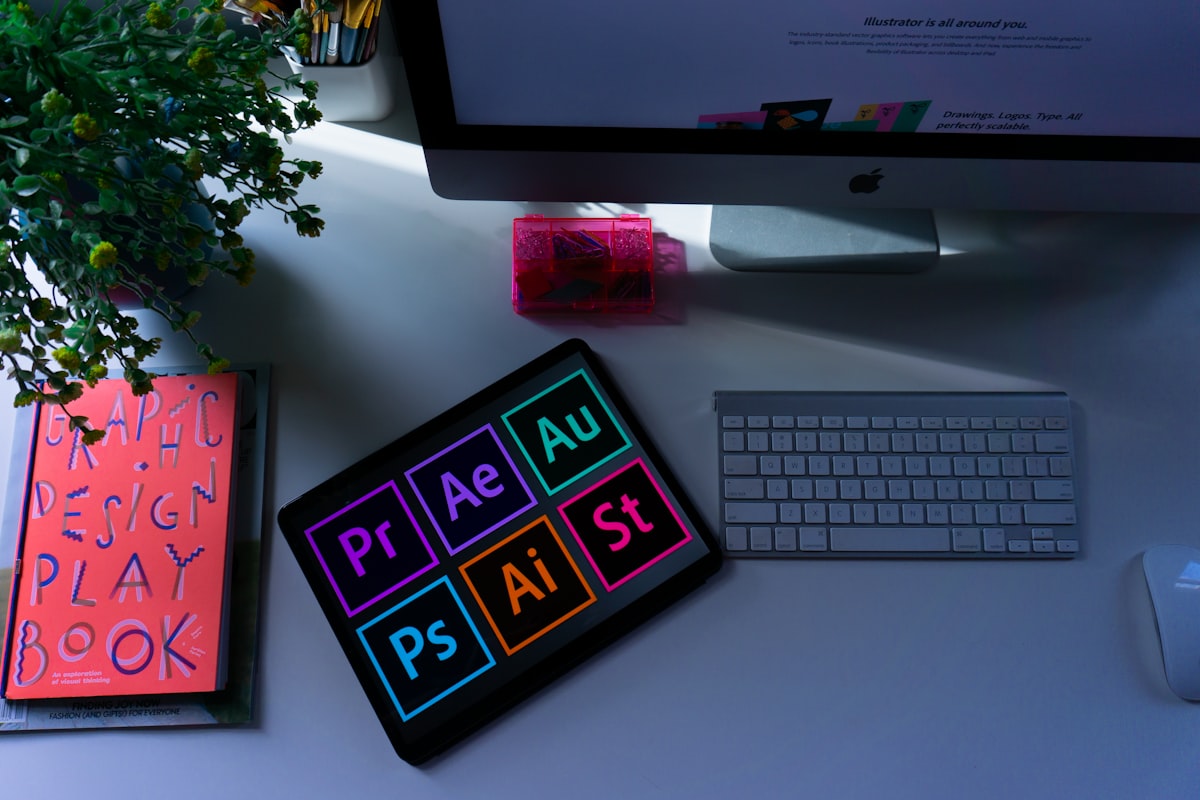
Build practical skills in Photoshop, Illustrator, InDesign and selected productivity or digital-design tools.
Create logos, brand systems, posters, social media campaigns, editorial layouts, packaging concepts and portfolio case studies.
Understand print and digital file preparation, accessibility, asset licensing and responsible AI use.
Active module
1Module 1: Graphic Design Industry and Visual Communication
2Graphic Design disciplines and deliverables
3Designer, art director, copywriter, marketer, printer and developer collaboration
4Creative briefs, audiences, objectives and constraints
5Design critique vocabulary and constructive feedback
6Professional conduct, file ownership and confidentiality
7Guided practice: Analyse several real or simulated design pieces and rewrite each request as a clear brief with audience, objective, deliverables and constraints.
Selected batch
Start DateUpcoming
TimingsRegular live sessions
Duration14 weeks
ModeClassroom
Lead Trainer
Design Specialist
6+
Years Experience
LAB
Practice Support
Skillonit's Graphic Design trainers focus on concept clarity, guided practice, project review, responsible learning and career preparation. Verified trainer names, profile details and batch assignments are shared from approved records before enrollment.
Kunal Jain focuses on practical Graphics Design training with a learner-first approach. Sessions combine clear concept explanation, demonstrations, lab-based practice, and interview-oriented guidance so students understand how the skill is applied in real work.
Concept-first explanations
Hands-on practice and assignments
Project and portfolio guidance
Doubt-solving support
Career-oriented mentoring
Responsible tool usage and documentation
Eligible learners receive a Skillonit Graphic Design course-completion certificate after meeting the attendance, assignment, assessment and portfolio requirements defined for the active batch. The certificate should state the course name, learner name, completion date and credential identifier where the verification system is operational. The certificate supports a portfolio and resume, but it is not a substitute for practical work or an independent Adobe, Figma, Canva, university or government credential. The website must not imply external recognition unless the exact accreditation or partnership is documented. Assessment may include software exercises, design-principle tasks, project submissions, revision quality, portfolio presentation and capstone completion. Publish the real assessment criteria so learners understand how completion is evaluated.
Course-completion certificate
Assignment and project-based validation
Useful for resume and portfolio building
Certificate details subject to current course policy
Certificate ID
SKL-GRA-2026
Certificate of Completion
This certifies that the student has completed Skillonit’s Graphics Design training with practical tasks, quizzes, and project assessment.
Presented to
Student Name
For successful completion of Graphics Design Course
Completion Date
18 Jun 2026
Authorized Signature
Verification-ready certificate preview for LMS completion.
Learn visual design foundations before relying on templates or software shortcuts.
Build practical skills in Photoshop, Illustrator, InDesign and selected productivity or digital-design tools.
Create logos, brand systems, posters, social media campaigns, editorial layouts, packaging concepts and portfolio case studies.
Understand print and digital file preparation, accessibility, asset licensing and responsible AI use.
Receive portfolio and career preparation according to the support included in the active batch.
Interpret a creative brief and identify the audience, message, deliverables, constraints and success criteria.
Use design principles, color, typography, layout and visual hierarchy to develop clearer communication.
Edit and composite raster images through organised, non-destructive Photoshop workflows.
Create scalable vector artwork, icons, logos and graphic systems in Illustrator.
Build multi-page print or digital layouts in InDesign using styles, grids and preflight checks.
Develop brand identity applications across social media, print, presentation and digital touchpoints.
Prepare assets for screen and print using appropriate dimensions, resolution, color modes and file formats.
Tools students practice
This course blends clear concepts, practical training, guided projects, quizzes, and career-focused assessment to help learners build confidence and move toward real opportunities.
Learners in Chiplun follow a structured path from foundations to practical projects, portfolio preparation, certification requirements and career-readiness guidance.
Marketing, sales, administration, media, IT, education or operations professionals who want to add design capability, move toward creative roles or communicate more effectively in their current work. Entrepreneurs and small-business owners Founders who need to evaluate design, manage brand consistency, brief freelancers and create selected day-to-day communication without losing sight of business goals. Content creators and social-media teams Creators who want stronger typography, visual systems, thumbnails, posts, campaign consistency and production workflows rather than depending only on ready-made templates.
A foundation-first curriculum that connects visual principles with software practice.
Guided projects covering branding, campaign, social, print, editorial and portfolio work.
Live critique and revision rather than one-way software demonstrations alone.
Flexible online or classroom options where active batches are available.
Trainer and project information displayed from verified current records.
Portfolio, resume and interview preparation according to the active batch.
Responsible coverage of accessibility, licensing, AI-assisted design and professional workflow.
Clear fee, duration, software and policy information before enrollment.
Admission enquiry
Share your details and our team will help you choose the right Graphics Design batch, learning mode, syllabus, fee plan, and career path.
Students, graduates, freshers, working professionals and committed beginners from Chiplun can join based on the active batch requirements.
Build strong foundation skills in Graphics Design
Apply concepts through guided practical projects
Use portfolio work to start client-ready practice
Prepare for internships, jobs, or higher learning
Learn visual design foundations before relying on templates or software shortcuts.
Build practical skills in Photoshop, Illustrator, InDesign and selected productivity or digital-design tools.
Create logos, brand systems, posters, social media campaigns, editorial layouts, packaging concepts and portfolio case studies.
Understand print and digital file preparation, accessibility, asset licensing and responsible AI use.
Receive portfolio and career preparation according to the support included in the active batch.
Interpret a creative brief and identify the audience, message, deliverables, constraints and success criteria.
Use design principles, color, typography, layout and visual hierarchy to develop clearer communication.
Edit and composite raster images through organised, non-destructive Photoshop workflows.
Internship Program
Skillonit’s Graphic Design Internship Program in Chiplun is a mentor-guided practical pathway available in 1-month, 3-month and 6-month formats. Participants learn how to create brand identities, marketing graphics, social media campaigns, print layouts, packaging concepts and portfolio pieces using professional design workflows. The program combines structured training, assignments, project reviews, documentation, portfolio support and a completion certificate subject to published requirements.
The internship is designed for students, creative professionals, marketers, entrepreneurs, content creators, career switchers and freelancers. It turns course knowledge into structured practice through mentor-led onboarding, guided tasks, project milestones, review meetings, documentation and a final presentation. Participants are expected to build, test, explain and improve their work instead of only watching demonstrations.
Available durations
1 month, 3 months and 6 months
Delivery modes
Live online, classroom or hybrid—subject to the selected batch and location
Local availability
Local centre, mode, start date and seat availability are shared only from verified city data.
Learning model
Training + mentor-guided tasks + project reviews + portfolio evidence
Projects
Mini project, guided projects and capstone according to duration
Support
Onboarding, doubt clearing, task planning, review feedback and presentation guidance
About Program
Skillonit’s Graphic Design internship is designed as a bridge between learning and practical delivery. Interns begin with a baseline assessment and a clear task plan, then progress through demonstrations, guided exercises, independent work and review. The focus is on understanding why a solution works, how to communicate decisions and how to improve quality after feedback.
The work is aligned with design principles, composition, colour and typography, branding, logo systems and marketing collateral and creative direction, campaign systems and critique. Longer pathways include more complex requirements, collaboration, documentation, testing and presentation. Interns maintain a task log or project board so that progress can be reviewed objectively rather than judged only by the final output.
The internship does not guarantee employment, freelance income, client allocation or a stipend. It provides practical exposure, evidence of completed work and career-readiness support. Any employment or paid internship opportunity is published separately with its own eligibility, application deadline, compensation and selection process.
Duration Options
The one-month pathway is a focused four-week experience for learners who want an introduction to professional graphic and visual communication design practice. It prioritizes orientation, essential tools, one clear workflow and a mentor-reviewed mini project. It is most suitable for beginners, students testing the domain, or course learners who need a short practical component.
Week 1 – Orientation and foundation: skill assessment, program rules, tool setup, task tracking, design principles, composition, colour and typography and a short guided exercise.
Week 2 – Core practice: Photoshop and Illustrator fundamentals, mentor demonstration, individual practice and a quality checklist.
Week 3 – Mini project build: apply brief interpretation and file organization to a scoped project with milestone review and corrections.
Week 4 – Finalization: testing or quality review, documentation, presentation, mentor feedback and next-learning roadmap.
Expected 1-month evidence: One completed mini project, task log, project summary, mentor feedback record and final presentation. Example project: Logo and visual identity system.
The three-month pathway is the recommended option for learners who want meaningful portfolio evidence. It combines a foundation phase, an applied phase and a capstone phase. Interns work on at least two guided assignments and one larger project, with regular reviews that focus on quality, documentation and problem-solving.
Month 1 – Foundation and workflow: design principles, composition, colour and typography, Photoshop and Illustrator fundamentals, brief interpretation and file organization; tool setup; guided exercises; communication and documentation standards.
Month 2 – Applied delivery: branding, logo systems and marketing collateral, social media, advertising and print layouts, InDesign, packaging and production preparation; first project review; debugging, critique or analysis; iteration after feedback.
Month 3 – Capstone and portfolio: build Brochure or editorial layout or another approved project; complete testing, documentation, presentation and portfolio packaging.
Expected 3-month evidence: Two guided projects, one capstone, weekly progress records, review notes, final presentation and a portfolio-ready case study. Suggested project options include Social media campaign kit, Brochure or editorial layout and Packaging design concept.
The six-month pathway is intended for learners seeking deeper, sustained practical experience. It includes specialization, team workflow, quality assurance and a production-style capstone. Interns gradually take greater ownership while remaining accountable to scope, security, ethics and mentor review.
Month 1 – Foundation: design principles, composition, colour and typography and Photoshop and Illustrator fundamentals, baseline tasks and work standards.
Month 2 – Core build: brief interpretation and file organization plus the first guided project and review cycle.
Month 3 – Applied specialization: branding, logo systems and marketing collateral and social media, advertising and print layouts with an intermediate project.
Month 4 – Integration: InDesign, packaging and production preparation and cross-functional workflow, documentation and quality checks.
Expected 6-month evidence: A structured portfolio containing three or more projects, an advanced capstone, documented iterations, mentor reviews, a presentation and a skills matrix. Suggested advanced projects include Packaging design concept, Advertising campaign creatives and Professional graphic design portfolio capstone.
Skills and Tools
Working Environment
The exact stack may vary by batch and project. Typical tools include Adobe Photoshop, Adobe Illustrator, Adobe InDesign, Canva where appropriate, Figma awareness, stock-asset libraries with valid licenses, Behance or portfolio platform. Skillonit should publish only the tools that are actually supported in the selected batch and provide setup guidance, access requirements and alternatives where paid licences are involved.
Project Practice
Real client projects are included only when an approved project, permission and review process are available; otherwise learners work on realistic industry simulations or mentor-designed capstones.
Training Support
Workflow
Eligibility
No formal art background is required. Basic computer skills and a willingness to practice visual problem-solving are sufficient.
Assessment
Evaluation should be transparent and based on evidence rather than vague participation. Recommended criteria include attendance, timely task completion, understanding of the work, quality of implementation, response to feedback, documentation, ethics and final presentation. The certificate should state the program title, duration, completion date and credential ID only when those fields are actually maintained by Skillonit.
Certification and Career
The internship can support preparation for roles such as Graphic Design Intern, Brand Design Intern, Social Media Design Intern, Visual Communication Intern, Marketing Design Intern, Creative Production Intern. It may also help learners demonstrate practical work for further study, entry-level applications, freelance proposals, startup prototypes or internal role transitions. Outcomes depend on the learner’s starting level, effort, project quality and the requirements of each opportunity; no job, income, client or admission result is guaranteed.
Program Features
Search Focus
Apply Now
Apply for the Graphic Design Internship Program in Chiplun and choose the duration that matches your goals. Complete the application form with accurate information so the admissions and mentor team can recommend the appropriate pathway.
Apply Now
Internship FAQs
Skillonit’s Graphic Design Internship Program in Chiplun is a mentor-guided practical pathway available in 1-month, 3-month and 6-month formats. Participants learn how to create brand identities, marketing graphics, social media campaigns, print layouts, packaging concepts and portfolio pieces using professional design workflows. The program combines structured training, assignments, project reviews, documentation, portfolio support and a completion certificate subject to published requirements.
Learners can choose 1 month, 3 months or 6 months. The one-month track is introductory, the three-month track is portfolio-focused, and the six-month track provides deeper project and production-style experience.
Yes, the foundation pathway is designed for learners who meet the basic device and participation requirements. No formal art background is required. Basic computer skills and a willingness to practice visual problem-solving are sufficient.
Projects may include Logo and visual identity system, Social media campaign kit, Brochure or editorial layout, Packaging design concept. Final projects are selected according to duration, learner level, mentor capacity and available project briefs.
Yes. The program combines concept refreshers, guided exercises and tool setup before independent tasks. Training depth depends on the selected duration and baseline assessment.
The program includes mentor-guided projects. A real client or production project is offered only when a suitable approved opportunity is available; otherwise, the learner completes a realistic industry simulation or internal capstone.
A completion certificate may be issued after the learner meets the published attendance, task, project, evaluation and final-presentation requirements.
A stipend is not automatic. Stipend status must be displayed for each approved opening. A training internship may have a program fee, while a genuine employment internship must be published separately with its own terms.
Online, classroom and hybrid options may be available. The exact mode, schedule and mentor availability should be confirmed for the selected batch.
Yes, subject to eligibility, schedule and mentor capacity. Weekend or evening options may be offered when listed in the active batch information.
No. The program provides practical learning, portfolio evidence and career-readiness support, but employment, freelance income, client allocation and interview results depend on external selection processes.
Select Apply Now, choose the duration and mode, submit accurate education and skill details, and complete any baseline task requested by the internship team.
Classroom availability depends on the verified local centre, mentor capacity and active batch. Display the exact address and mode only when confirmed.
The approved fee should be loaded from the CMS for the selected duration and batch. Do not place a generic or outdated fee in the page copy.
Yes, when an online batch is active and the learner has the required device, internet access and schedule availability.
Popular searches covered
These are the common search topics this page answers through the course information, syllabus, FAQs, fees, batches, tools, projects, certification, and career-support sections.
Course guide
A detailed, student-friendly guide covering the learning path, tools, projects, career preparation, certification, and course expectations.
Yes. The learning path starts with design foundations and progresses into software and projects. Confirm the active batch level.
No formal drawing background is required. Sketching can support ideas, but many Graphic Design roles focus on typography, layout, images and systems.
Photoshop, Illustrator and InDesign are the planned core tools. Figma, Canva or Adobe Express may be included according to the active syllabus.
Yes. Learners practise layers, masks, adjustments, retouching, compositing and export.
Yes. Learners work with vectors, paths, logos, icons, patterns and scalable graphics.
Yes. It is used for brochures, reports, portfolios and other multi-page layouts.
Yes. The planned syllabus includes concepts, logo variants, typography, color and identity applications.
Yes. Learners create campaign assets and reusable content systems with attention to readability and consistency.
Figma fundamentals may be included for digital visual layouts. This is not a complete UI/UX program.
Responsible AI-assisted workflows may be introduced with review, copyright, confidentiality and disclosure guidance.
Yes. Learners develop selected projects into case studies showing process and final outcomes.
Live online classes are available only when an active online batch is listed.
Only when a verified centre and current classroom batch are displayed.
The approved duration is 14 weeks. Also confirm total learning hours and project expectations.
Fees are shown as Get Fees when approved. Otherwise use the Get Current Fees form.
Confirm the active batch policy. Use legitimate licenses, approved trials or institutional access.
Eligible learners receive a Skillonit course-completion certificate after meeting course requirements.
Career assistance may be included; employment and income are not guaranteed.